Your hands are essential to nearly every daily activity, from work tasks to personal care, and debilitating hand conditions can significantly impact function and quality of life. At The Sayah Institute, we offer comprehensive hand surgery and reconstructive procedures to patients throughout Los Angeles and Beverly Hills seeking relief from painful, limiting hand conditions.
Dr. David N. Sayah is a board-certified plastic surgeon with over 26 years of experience. His specialized training from UCLA Medical Center and NYU Medical Center, combined with intensive fellowship training in reconstructive procedures, provides him with extensive expertise in microsurgery, nerve decompression, and tissue reconstruction.
As a Fellow of the American College of Surgeons with hospital privileges at Cedars-Sinai Medical Center, Saint John’s, and UCLA, Dr. Sayah addresses complex hand problems ranging from carpal tunnel syndrome and trigger finger to fractures, lacerations, and degenerative conditions, delivering exceptional outcomes that restore comfort and function.
Dr. Sayah is an incredible doctor. He is kind, caring and very talented. Dr. Sayah has a beautiful office in Beverly Hills, but it is not intimidating in the least. He is unique in that he truly wants what is best for the patient. I have known him for over 15 years, and I have always been extremely impressed with his compassion, talent, and ethics. I will be a loyal patient for life and would be very comfortable recommending him to my friends and family without hesitation.
Specialized Training in Hand Surgery
Dr. Sayah’s comprehensive training in plastic and reconstructive surgery provides the specialized skills necessary for intricate hand procedures requiring precision, microsurgical technique, and thorough understanding of complex hand anatomy. His artistic background as an oil painter and sculptor enhances his manual dexterity and attention to detail, essential qualities for delicate hand procedures.
“The hand represents one of the most complex structures in the human body, with intricate networks of nerves, tendons, blood vessels, and bones working in precise coordination,” Dr. Sayah explains. “Successful hand surgery requires not only technical expertise but also a deep understanding of functional anatomy to restore both form and function.”
What Is Hand Surgery?
Hand surgery encompasses a wide range of surgical and non-surgical treatments addressing conditions affecting the hands, wrists, and forearms. These procedures treat acute injuries including fractures, lacerations, and crush injuries, as well as chronic conditions such as nerve compression syndromes, degenerative diseases, congenital deformities, and arthritis.
Hand surgery aims to restore function, eliminate pain, and improve appearance when hand conditions interfere with daily activities, work performance, or quality of life. Procedures range from minimally invasive endoscopic carpal tunnel release to complex reconstructive surgery requiring microsurgical techniques.
Dr. Sayah offers both surgical and conservative treatment approaches, beginning with non-surgical options including splinting, therapy, injections, and medication whenever appropriate. When conservative treatments fail to provide adequate relief or when structural problems require surgical correction, he performs procedures using advanced techniques that minimize scarring, preserve function, and promote optimal healing. Many hand surgeries can be performed on an outpatient basis under local anesthesia with sedation, allowing same-day return home and relatively quick recovery compared to more extensive surgical procedures.
Common Hand Conditions Requiring Treatment
Dr. Sayah treats numerous hand conditions affecting function, causing pain, or limiting daily activities.
Carpal Tunnel Syndrome
Carpal tunnel syndrome occurs when the median nerve becomes compressed as it passes through the narrow carpal tunnel in the wrist. This compression causes numbness, tingling, pain, and weakness in the thumb, index, middle, and ring fingers. Common causes include repetitive hand movements, pregnancy-related swelling, diabetes, arthritis, and wrist injuries, though many cases have no identifiable cause. Conservative treatment includes wrist splinting, activity modification, anti-inflammatory medications, and corticosteroid injections.
When these measures fail to provide relief, carpal tunnel release surgery decompresses the nerve by cutting the ligament forming the roof of the tunnel, providing permanent symptom resolution for most patients. Dr. Sayah performs this procedure using minimally invasive endoscopic technique through a small incision, allowing faster recovery and earlier return to work.
Trigger Finger (Stenosing Tenosynovitis)
Trigger finger causes the affected finger or thumb to catch, lock, or snap when bending or straightening. The condition develops when inflammation narrows the tendon sheath, preventing the tendon from gliding smoothly. Symptoms range from mild catching to complete locking requiring manual straightening. Risk factors include repetitive gripping activities, diabetes, rheumatoid arthritis, and gout. Initial treatment involves splinting, anti-inflammatory medications, and corticosteroid injections. When conservative measures fail, surgical release of the constricted tendon sheath restores smooth tendon gliding and eliminates triggering symptoms.
Cubital Tunnel Syndrome
Cubital tunnel syndrome results from compression of the ulnar nerve at the elbow, causing numbness and tingling in the ring and small fingers, hand weakness, and pain radiating from the elbow to the hand. The condition often develops from prolonged elbow flexion, direct pressure on the nerve, or previous elbow injuries. Conservative treatment includes activity modification, elbow padding, splinting at night, and anti-inflammatory medications. Surgical treatment decompresses the ulnar nerve and may involve transposition to a protected position away from pressure, relieving symptoms and preventing permanent nerve damage.
Dupuytren’s Contracture
Dupuytren’s contracture is a progressive condition causing thickening and tightening of the fascia beneath the palm skin, forming cords that pull fingers into a permanently bent position. The condition typically affects the ring and small fingers and develops gradually over years. Treatment options include Xiaflex® collagenase injections that dissolve the cords, needle aponeurotomy where cords are punctured and released, or surgical fasciectomy removing diseased tissue. Dr. Sayah discusses optimal treatment approaches based on disease severity, affected fingers, and patient preferences.


Hand Fractures
Hand and wrist fractures result from falls, sports injuries, crushing injuries, or direct trauma. Fracture severity ranges from hairline cracks requiring only splinting to complex fractures with bone displacement, multiple fragments, or soft tissue damage requiring surgical fixation. Dr. Sayah performs open reduction and internal fixation using plates, screws, pins, or wires to realign bones and maintain proper position during healing. His meticulous surgical technique and understanding of hand biomechanics optimize functional recovery and minimize complications.
Ganglion Cysts
Ganglion cysts are fluid-filled sacs arising from joint capsules or tendon sheaths, commonly appearing on the wrist, fingers, or hand. While typically painless, larger cysts may cause discomfort, limit joint movement, or compress nearby nerves. Many cysts resolve spontaneously without treatment. Symptomatic cysts can be aspirated with a needle to remove fluid, though recurrence is common. Surgical excision removes both the cyst and its connection to the joint or tendon sheath, reducing recurrence risk and providing definitive treatment.
Hand Lacerations
Deep hand lacerations may damage skin, tendons, nerves, blood vessels, or bones, requiring careful surgical repair to restore function and minimize scarring. Dr. Sayah’s training in plastic and reconstructive surgery enables him to perform meticulous laceration repair using microsurgical techniques for nerve and vessel repair when necessary. His expertise in wound closure and scar management optimizes aesthetic outcomes while restoring full hand function.
Hand Infections
Hand infections from wounds, bites, or underlying medical conditions can cause serious complications without prompt treatment. While superficial infections respond to oral antibiotics, deeper infections involving tendons, joints, or bones require surgical irrigation, debridement of infected tissue, and intravenous antibiotics. Dr. Sayah’s experience managing complex hand infections ensures appropriate treatment that prevents permanent damage while preserving hand function.
What to Expect with Hand Surgery in LA
Dr. Sayah performs most hand procedures on an outpatient basis in The Sayah Institute’s fully accredited surgical facility. Depending on procedure complexity, surgery may be performed under local anesthesia with sedation or general anesthesia. Simple procedures like trigger finger release or carpal tunnel release typically require 15 to 30 minutes, while complex fracture repair or tendon reconstruction may take several hours.
Before surgery, Dr. Sayah conducts thorough evaluation including physical examination and often imaging studies to assess the specific problem and plan the optimal surgical approach. During surgery, he uses magnification when necessary for precise tissue handling and employs advanced techniques that minimize trauma to surrounding structures.
Recovery and Rehabilitation
Most patients return home the same day with specific post-operative care tailored to their procedure:
- Initial Protection: Hand protected in a splint or dressing to support healing and maintain proper positioning.
- Recovery Timeline: Simple releases allow return to light activities within days, while complex reconstructions may require weeks of immobilization followed by structured hand therapy.
- Hand Therapy Coordination: Dr. Sayah works closely with certified hand therapists who guide rehabilitation exercises and techniques.
- Optimal Functional Recovery: Structured therapy program ensures maximum restoration of hand function, strength, and mobility for long-term success.

Frequently Asked Questions About Hand Surgery
-
Dr. Sayah places incisions strategically to minimize visibility and uses meticulous closure techniques to promote thin, well-healed scars. Many hand surgery incisions follow natural skin creases or joint lines where scars become barely noticeable over time. His training in plastic surgery emphasizes scar management and aesthetic closure, resulting in optimal cosmetic outcomes alongside functional restoration.
-
Recovery varies significantly by procedure type. Simple releases like carpal tunnel or trigger finger allow return to desk work within a few days and full activities within two to four weeks. Complex procedures including fracture repair, tendon reconstruction, or nerve surgery may require six to twelve weeks of healing followed by hand therapy. Dr. Sayah provides specific recovery timelines and activity restrictions based on your procedure.
-
Many hand procedures benefit from structured hand therapy to optimize recovery, restore range of motion, rebuild strength, and prevent scar adhesions. Simple procedures may require minimal therapy, while complex reconstructions typically involve several weeks of guided rehabilitation. Dr. Sayah works with experienced certified hand therapists who specialize in post-surgical hand rehabilitation.
-
Most hand surgeries addressing medical conditions including carpal tunnel syndrome, trigger finger, fractures, infections, and nerve compression are covered by insurance when medically necessary. Dr. Sayah’s team works with your insurance company to obtain pre-authorization and maximize coverage. Hand rejuvenation procedures performed solely for cosmetic purposes typically require out-of-pocket payment.
-
Outcomes depend on the specific condition, severity, duration of symptoms, and individual healing factors. Most patients experience significant functional improvement and symptom relief following hand surgery. Procedures like carpal tunnel release and trigger finger release provide excellent results with high success rates. Complex reconstructions following severe trauma may not restore completely normal function but typically achieve substantial improvement compared to pre-surgical status.
-
Hand surgery carries risks including infection, bleeding, nerve injury, stiffness, chronic pain, incomplete symptom relief, and recurrence of the original problem. Complex procedures involving nerve or tendon repair carry additional risks of incomplete healing or loss of function. Dr. Sayah minimizes complications through meticulous surgical technique, comprehensive pre-operative evaluation, and detailed post-operative care instructions.
Why Choose Dr. Sayah for Hand Surgery in Los Angeles
Selecting a board-certified plastic surgeon with extensive hand surgery training ensures optimal outcomes for both function and appearance. Dr. Sayah’s qualifications include:
- Board certification by the American Board of Plastic Surgery
- Fellowship of the American College of Surgeons (FACS)
- Over 26 years of plastic and reconstructive surgery experience
- Medical degree from UCLA David Geffen School of Medicine, graduated top of class
- General surgery training at NYU Medical Center
- Plastic surgery residency at UCLA Medical Center with intensive hand surgery training
- Advanced fellowship training in reconstructive procedures
- Hospital privileges at Cedars-Sinai Medical Center, Saint John’s, and UCLA
- Published research in wound healing and surgical techniques
- Expertise in microsurgical techniques for nerve and vessel repair
- Artistic background enhancing manual dexterity and precision
- International reputation serving patients from around the world
- Multilingual capabilities (English, French, Spanish, Farsi, Italian)
- Clinical faculty positions at Cedars-Sinai Medical Center and USC
Dr. Sayah’s comprehensive training in plastic and reconstructive surgery, combined with his microsurgical expertise and commitment to functional restoration, ensures you receive the highest standard of hand surgical care. His artistic approach to wound closure and scar management optimizes both functional and aesthetic outcomes.
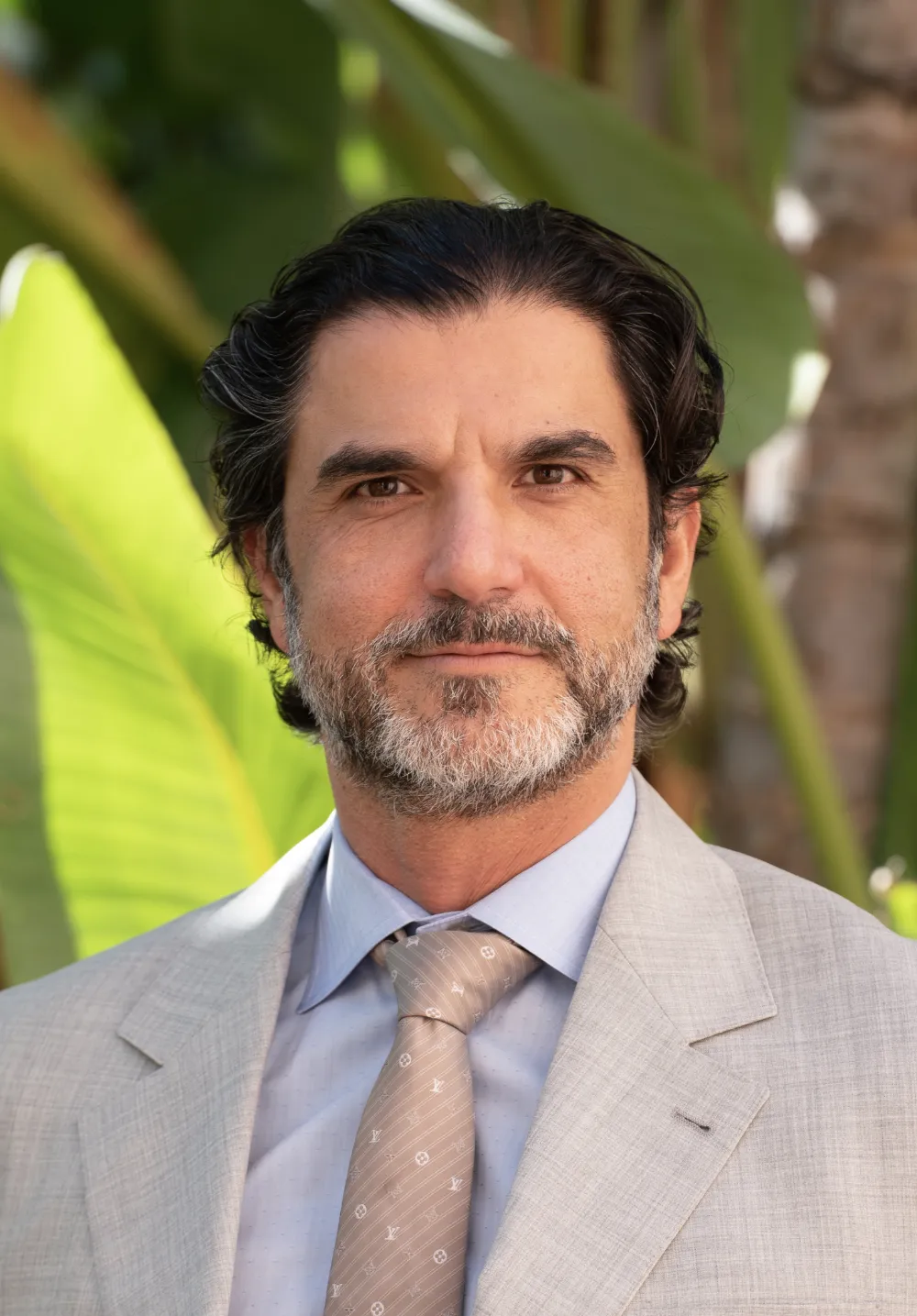
Meet Dr. David Sayah
Dr David Sayah is a board certified plastic surgeon in Beverly Hills known for his natural approach to aesthetic surgery. With more than 26 years of experience, he combines surgical precision with artistic insight to deliver balanced and refined results. His philosophy centers on enhancing individual beauty rather than changing it.
A graduate of the UCLA School of Medicine and a Fellow of the American College of Surgeons, Dr Sayah trained at leading medical centers including NYU and UCLA. His work in wound healing and scar formation research helps patients heal beautifully with minimal scarring. Fluent in five languages, he welcomes patients from Beverly Hills, Los Angeles, and across the world who seek exceptional, natural results.
Schedule Your Hand Surgery Consultation in Beverly Hills
If hand pain, numbness, or limited function is affecting your daily activities and quality of life, expert evaluation and treatment with Dr. Sayah can provide the relief you need. Contact The Sayah Institute today to schedule your consultation and discover how specialized hand surgery can restore comfort, function, and confidence in your hands.