En bloc implant removal represents the most comprehensive approach to breast implant explantation, removing the implant together with its surrounding capsule as a single intact unit. This specialized technique appeals to patients concerned about silicone exposure, experiencing breast implant illness symptoms, or seeking the most thorough removal of all implant-related materials. At The Sayah Institute, we offer expert en bloc capsulectomy to patients throughout Los Angeles and Beverly Hills seeking complete, meticulous implant extraction.
Dr. David N. Sayah is a board-certified plastic surgeon with over 26 years of experience. His specialized training at UCLA Medical Center and his status as a Fellow of the American College of Surgeons provide the advanced surgical skills necessary for this complex procedure. With extensive experience in intricate breast revision surgery and comprehensive capsulectomy techniques, Dr. Sayah delivers outcomes that provide complete material removal, minimize complications, and support patient health goals through expert surgical care.
Recently, I was very lucky, to have been referred to Dr. Sayah by my primary care physician, for breast reduction,. I was initially apprehensive, but after my first appointment, talking with Dr Sayah I was amazed at how much time he took to answer all my questions. Safety and the comfort of the patient was his primary consideration. Jesse and Trevana were instrumental in making sure all the necessary forms and procedures were done prior to surgery. The post-op visit again reaffirmed what an excellent surgeon, and caring physician Dr. Sayah turned out to be. I recommend Dr Sayah’s and his staff very strongly!!

Understanding En Bloc Capsulectomy
En bloc capsulectomy differs fundamentally from standard breast implant removal by keeping the implant and surrounding capsule completely intact during extraction. Rather than opening the capsule and removing the implant separately, the surgeon meticulously dissects around the entire capsule, maintaining its integrity while removing implant and capsule together as one complete unit.
This approach prevents any implant material, particularly silicone gel or particles, from contacting surrounding tissues during removal. The intact capsule serves as a protective barrier containing all implant contents and any accumulated material within the capsular space. For patients concerned about silicone exposure or contamination, en bloc removal provides maximum material extraction and psychological reassurance.
The procedure requires significantly more surgical skill, time, and precision compared to standard explantation. The surgeon must carefully separate the capsule from surrounding breast tissue, chest wall muscles, and ribs without violating capsule integrity. This delicate dissection becomes particularly challenging when capsules adhere firmly to surrounding structures or when implants sit in submuscular position.
“En bloc capsulectomy represents the most technically demanding breast implant removal procedure,” explains Dr. Sayah. “Success requires meticulous surgical technique, intimate knowledge of breast anatomy, and extensive experience with complex dissection. My 26 years of experience with intricate breast surgery allows me to perform en bloc removal safely and effectively, even in challenging cases where capsules adhere extensively to surrounding tissues.”
Why Women Choose En Bloc Implant Removal
Women select en bloc capsulectomy over standard explantation for various reasons related to health concerns, material exposure fears, and desire for comprehensive removal:
Breast Implant Illness Symptoms
Seeking the most complete removal possible when attributing systemic symptoms to implants.
Silicone Exposure Concerns
Worrying about gel contact with tissues during standard removal
Known or Suspected Rupture
Containing ruptured silicone gel during removal, preventing contaminated material from spreading to surrounding tissues
Persistent Symptoms After Standard Explantation
Pursuing more thorough extraction when previous standard removal failed
Maximum Material Removal Preference
Simply wanting the most complete removal available regardless of specific symptoms
Peace of Mind
Valuing psychological reassurance from knowing everything removed together as one intact unit


En Bloc Surgical Technique in Beverly Hills
Performing en bloc capsulectomy requires advanced surgical expertise and meticulous technique throughout the procedure.
Surgical Access and Exposure
The surgery begins with strategic incision placement providing adequate access for intact capsule removal. Incisions often need to be longer than standard explantation requires. Previous augmentation incision sites are utilized when possible. Adequate exposure proves essential for visualizing the complete capsule.
Meticulous Capsule Dissection
Careful capsule dissection represents the most critical aspect of en bloc removal. Dr. Sayah methodically separates the capsule from surrounding breast tissue using precise technique. Dissection continues around the complete capsule perimeter including the posterior surface. Work beneath muscle requires careful separation from the chest wall. Maintaining capsule integrity throughout proves paramount to procedure success.
Intact Extraction
Intact removal requires strategic manipulation of the capsule-implant unit. Dr. Sayah carefully delivers the entire unit through the incision without rupture. Gentle handling prevents capsule tearing during extraction. Complete extraction is achieved with implant and capsule remaining together. The intact specimen can be examined and sent for analysis if desired.
Thorough Inspection and Closure
Following removal, Dr. Sayah thoroughly examines the pocket for any remaining capsule fragments. Any loose tissue or debris is removed meticulously. Careful bleeding control throughout the breast pocket ensures proper healing. Drains are placed when indicated to prevent fluid accumulation. Tissue layers are closed in multiple layers using plastic surgery techniques to minimize scarring.
Potential Challenges of En Bloc Removal
En bloc capsulectomy presents unique challenges and carries higher complication risks compared to standard implant removal.
Capsule adherence to surrounding structures creates significant technical challenges. Firmly attached capsules increase the difficulty of intact removal substantially. Adhesions to ribs prove particularly challenging to release safely. Dense attachments increase the risk of capsule rupture during removal attempts.
Increased surgical trauma from extensive dissection affects recovery. More tissue manipulation causes greater post-operative pain. Increased bleeding risk results from extensive raw surfaces created. Higher seroma formation likelihood occurs from large dissection planes. Longer operative time increases anesthesia exposure.
Capsule rupture during attempted en bloc removal represents a significant concern. Despite best efforts, some capsules tear during dissection. If rupture occurs, conversion to total capsulectomy becomes necessary. Safety takes precedence over achieving absolute complete removal in challenging cases.
Breast Appearance After En Bloc Removal
Understanding realistic expectations about post-explantation appearance helps patients make informed decisions.
The breast envelope often appears deflated or loose after implant removal. Skin stretched by implants for years does not retract completely. Tissue laxity varies based on duration of augmentation and skin quality. Some ptosis or sagging commonly develops after removal.
Volume loss creates smaller breasts than during the augmentation period. Original natural breast size provides baseline for expectations. Natural breast tissue characteristics influence final appearance substantially. Previous pregnancies or weight changes affect tissue characteristics significantly.
Contour irregularities may become apparent without implant volume. Natural asymmetries become more visible after removal. Capsulectomy cavity healing may cause subtle depressions. Extensive dissection creates raw surfaces affecting healing patterns.


Recovery Timeline After En Bloc Capsulectomy
Recovery from en bloc implant removal typically involves more extensive healing compared to standard explantation.
- First Week: Rest at home allowing surgical sites to heal properly. Discomfort may be significant, managed effectively with pain medication. Surgical drains may be present requiring care and monitoring. Compression garment provides support and reduces fluid accumulation risk. Light walking is encouraged while avoiding upper body strain.
- Weeks 2-4: Progressive improvement in comfort occurs gradually. Drains typically removed within the first week to ten days. Most patients return to desk work within two weeks. Light activities permitted as tolerated. Upper body exercises remain restricted to protect healing tissues.
- Months 2-3: Substantial improvement becomes evident with most swelling resolved. Surgical sites healing well with diminishing discomfort. Normal activities including exercise resume as approved. Tissue settling into final appearance without implants. Scars mature and begin to fade.
- Months 3-6 and Beyond: Final breast shape and contours stabilize completely. Any residual swelling disappears entirely. Scars continue fading substantially with maturation. Most patients adjust to natural breast appearance. Satisfaction often relates to comprehensive removal achieved and any symptom improvement experienced.
Frequently Asked Questions About En Bloc Removal
-
En bloc removal is not necessarily “better” but rather more comprehensive, appealing to patients prioritizing complete material extraction. It removes all implant-related material as one intact unit and prevents silicone contact with tissues during removal. However, it requires longer surgery, more extensive dissection, higher complication risk, and greater cost. Standard explantation proves adequate for most patients without specific concerns about material exposure.
-
No surgery can guarantee symptom resolution for breast implant illness since the condition remains poorly understood. Many patients report improvement after explantation regardless of technique. En bloc removal provides psychological benefit from knowing complete removal was achieved. However, symptoms may persist, partially improve, or resolve regardless of removal method. Realistic expectations about uncertain outcomes remain essential.
-
Not all capsules can be safely removed intact despite the surgeon’s best efforts. Heavily calcified capsules may tear during dissection. Capsules firmly adherent to ribs cannot always be separated intact. Extremely thin fragile capsules may rupture during manipulation. Safety takes precedence over maintaining absolute capsule integrity.
-
En bloc removal typically costs significantly more than standard explantation due to increased surgical complexity, longer operative time, and greater surgical expertise required. Cost differences vary but may range from several thousand dollars additional. During consultation, we provide detailed cost estimates based on individual circumstances.
-
Insurance coverage for en bloc removal varies significantly by carrier and individual policy terms. Some insurers cover explantation for documented rupture or complications, though coverage for breast implant illness remains inconsistent. En bloc technique specifically may not be covered even when standard removal qualifies. Our practice provides comprehensive documentation for insurance consideration though coverage cannot be guaranteed.
-
En bloc removal typically requires two to four hours depending on capsule characteristics, implant location, whether bilateral or unilateral removal is performed, and whether simultaneous procedures are performed. Extended operative time reflects the meticulous dissection required for maintaining capsule integrity throughout the removal process.
Why Choose The Sayah Institute for En Bloc Removal
Dr. Sayah’s comprehensive training at UCLA Medical Center includes extensive experience with complex breast revision surgery and intricate capsulectomy procedures. His 26 years of surgical experience encompasses numerous successful en bloc removals. Patients consistently praise the thorough removal achieved and expert care provided during complex procedures.
As a board-certified plastic surgeon and Fellow of the American College of Surgeons, Dr. Sayah maintains the highest standards of surgical excellence and patient safety. His extensive experience with complicated breast surgery provides the specialized skills necessary for managing even challenging en bloc cases requiring meticulous dissection and advanced technique.
Our fully accredited surgery center in Beverly Hills features state-of-the-art equipment and maintains rigorous safety protocols appropriate for complex surgical procedures. Patients throughout Los Angeles trust us for en bloc implant removal that delivers comprehensive material extraction, expert surgical care, and outcomes supporting health goals and peace of mind.
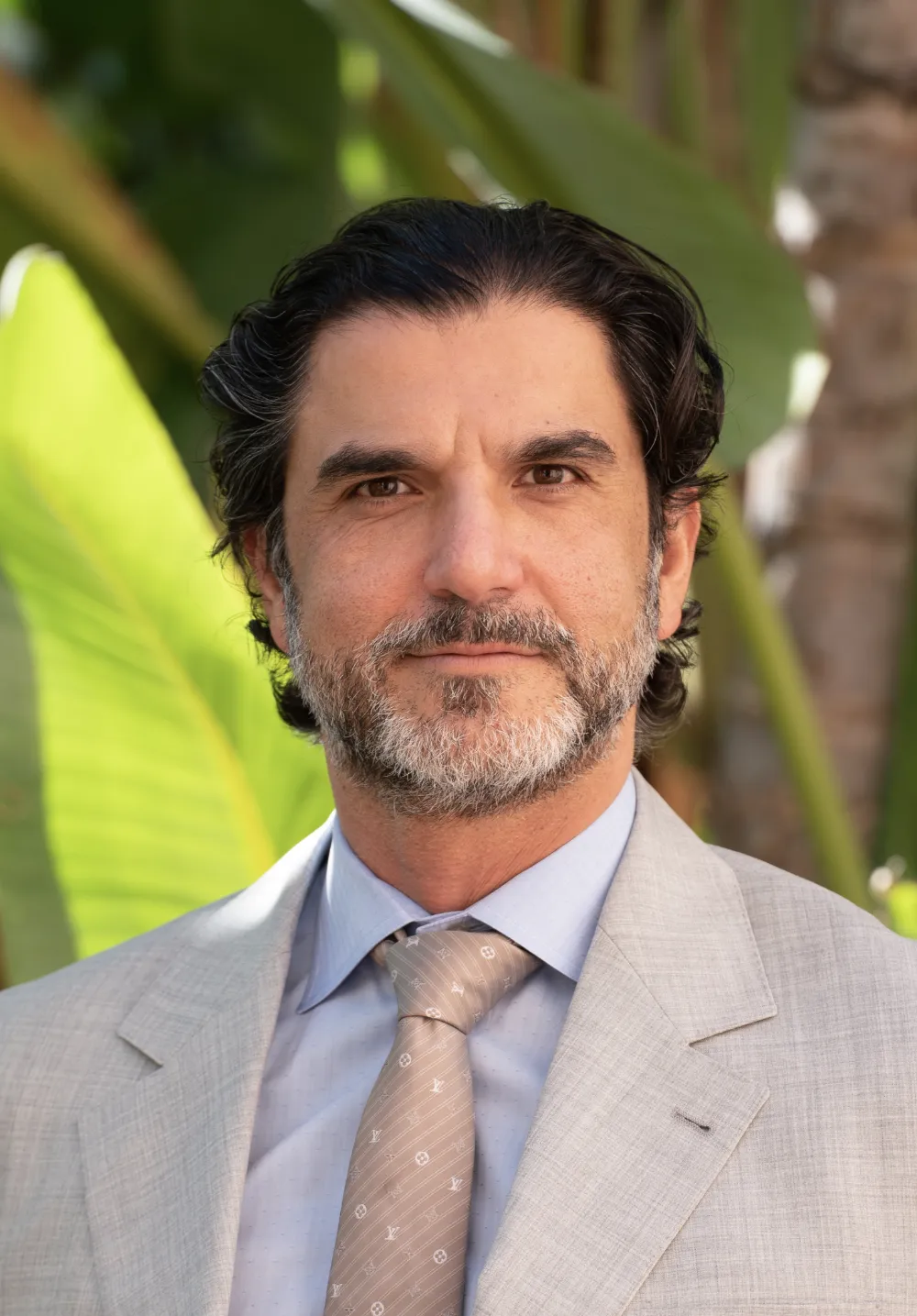
Meet Dr. David Sayah
Dr David Sayah is a board certified plastic surgeon in Beverly Hills known for his natural approach to aesthetic surgery. With more than 26 years of experience, he combines surgical precision with artistic insight to deliver balanced and refined results. His philosophy centers on enhancing individual beauty rather than changing it.
A graduate of the UCLA School of Medicine and a Fellow of the American College of Surgeons, Dr Sayah trained at leading medical centers including NYU and UCLA. His work in wound healing and scar formation research helps patients heal beautifully with minimal scarring. Fluent in five languages, he welcomes patients from Beverly Hills, Los Angeles, and across the world who seek exceptional, natural results.
Schedule Your En Bloc Removal Consultation in Beverly Hills
If you are considering en bloc implant removal for breast implant illness concerns, silicone exposure fears, or desire for comprehensive material extraction, we offer expert evaluation and surgical care. Contact The Sayah Institute today to schedule your consultation. Dr. Sayah will explain the en bloc technique, discuss realistic expectations, and help you make informed decisions about the most appropriate removal approach for your individual situation and goals.